
My Blog
Brazilian Jiu Jitsu Vs. Karate
Brazilian Jiu Jitsu Vs. Karate
Why Brazilian Jiu-Jitsu is a More Realistic and Functional Martial Art Compared to Traditional Forms Like Karate and Taekwondo
When it comes to self-defense and martial arts, people often debate which style is the most effective. Traditional martial arts likeKarateandTaekwondohave been around for centuries, building reputations for their striking techniques and disciplined approaches. However, in recent decades,Brazilian Jiu-Jitsu (BJJ)has emerged as one of the most realistic and functional martial arts for both self-defense and competition. Below, we explore why BJJ stands out in practicality, effectiveness, and real-world application when compared to traditional martial arts.
1.Ground Game Mastery
One of the most glaring differences between Brazilian Jiu-Jitsu and traditional martial arts is the emphasis on ground fighting. The majority of real-life altercations end up on the ground, and BJJ is designed specifically for that scenario. While Karate and Taekwondo focus heavily on strikes, Brazilian Jiu-Jitsu teaches practitioners how to control and neutralize opponents through grappling, submissions, and positional dominance.
In a street fight, the ability to take an opponent down and control them from the ground is a powerful advantage. Traditional martial arts often lack the depth of ground techniques that BJJ practitioners train daily.
In contrast, striking-based martial arts tend to falter if an opponent closes the distance and initiates a clinch or takedown.
2.Realistic Training Environment
Brazilian Jiu-Jitsu is centered aroundlive sparring, or "rolling," which allows students to practice their techniques in a realistic, fully-resisting environment. This is crucial because it teaches students how to apply their skills under pressure.
In BJJ, every training session is a chance to go against resisting opponents of varying skill levels, allowing practitioners to test their techniques in a real-time scenario.
While traditional arts like Karate and Taekwondo have sparring, it is often limited to point-based systems or pre-arranged movements (katas), which don't always mimic real-world combat situations.
3.Focus on Leverage and Technique Over Strength
One of the key principles of Brazilian Jiu-Jitsu is that it enables a smaller, weaker person to defend themselves against a larger, stronger opponent using leverage, technique, and position. This is achieved through joint locks, chokes, and control positions.
Traditional martial arts like Karate and Taekwondo often emphasize striking power and speed, which can be less effective when facing a physically superior opponent.
BJJ focuses on technique and leverage, making it an ideal martial art for those who may not have the size or strength advantage.
4.Applicable for Self-Defense
In a real-life self-defense situation, Brazilian Jiu-Jitsu provides a practical,non-violent optionfor neutralizing threats. Rather than relying solely on striking, which can escalate a situation or cause unintended harm, BJJ allows practitioners tocontrol and subduean aggressor without needing to throw punches or kicks.
Traditional martial arts might teach a "block and strike" mentality, but in a chaotic, high-stress encounter, grappling techniques provide a more reliable path to safety, especially against an untrained opponent.
In addition, BJJ trains students insubmission holdslike chokes and arm locks, which can neutralize an aggressor without causing permanent injury.
5.Adaptability and Evolution
Brazilian Jiu-Jitsu is not stagnant; it has evolved rapidly, especially due to its exposure in Mixed Martial Arts (MMA) competitions. The techniques that work remain, while ineffective or outdated ones are left behind. This constant evolution ensures that BJJ remains relevant and effective in modern combat scenarios.
In contrast, traditional martial arts like Karate and Taekwondo have rigid structures and formalized techniques that may not adapt well to modern self-defense needs.
The ever-evolving nature of BJJ allows it to incorporate the best elements from other martial arts, making it more functional and adaptable in today's world.
6.Mental and Physical Resilience
Brazilian Jiu-Jitsu places a strong emphasis on mental toughness, problem-solving, and resilience. During sparring or live rolling, practitioners constantly face challenges, whether it's escaping a difficult position or finding ways to submit an opponent.
This mental aspect of staying calm under pressure mirrors real-world encounters, where fights or altercations are unpredictable and require quick thinking.
Traditional martial arts, while beneficial for discipline and focus, may not expose students to the same level of adversity and problem-solving under pressure.
Conclusion
While traditional martial arts like Karate and Taekwondo have their merits, Brazilian Jiu-Jitsu stands out as the more functional and realistic martial art for self-defense and real-world applications. Its focus on ground fighting, live sparring, and leverage-based techniques makes it an ideal choice for anyone looking to develop skills that will be effective in a variety of situations. Whether you're training for self-defense, competition, or fitness, Brazilian Jiu-Jitsu offers practical techniques that can be applied effectively, regardless of size or strength.
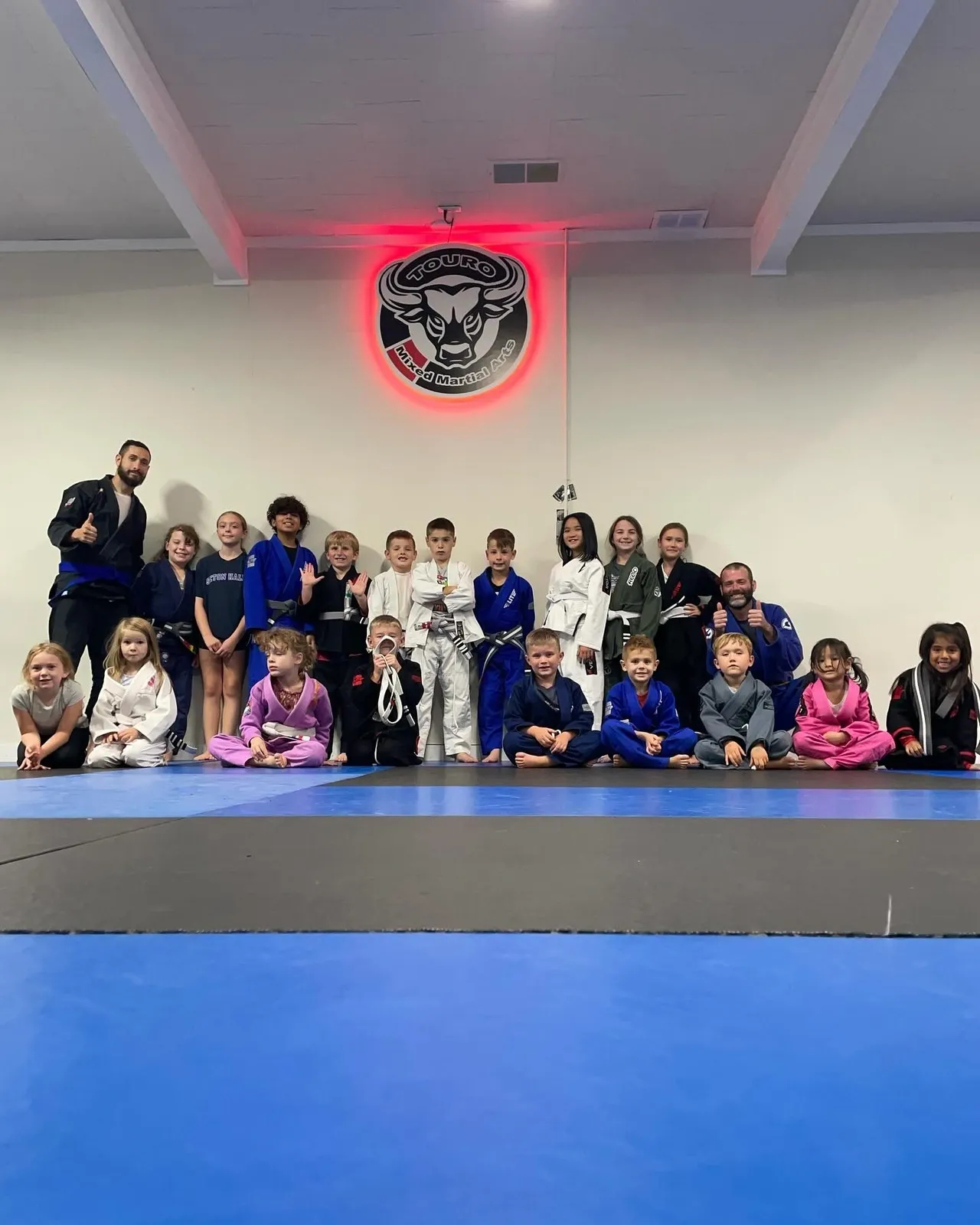
If you're ready to experience the benefits of BJJ firsthand, contact us atTouro MMAto learn more about our classes and how you can get started!

Contact Details
5454 Berkshire Valley Road, Oak Ridge, Jefferson, New Jersey, US, 07438
Times of Operation
9:00–10:00 AM


© Copyright 2026 | Touro MMA LLC | Site Designed by Zen Planner